The Puchong Gas Pipeline Inferno: What We Know So Far
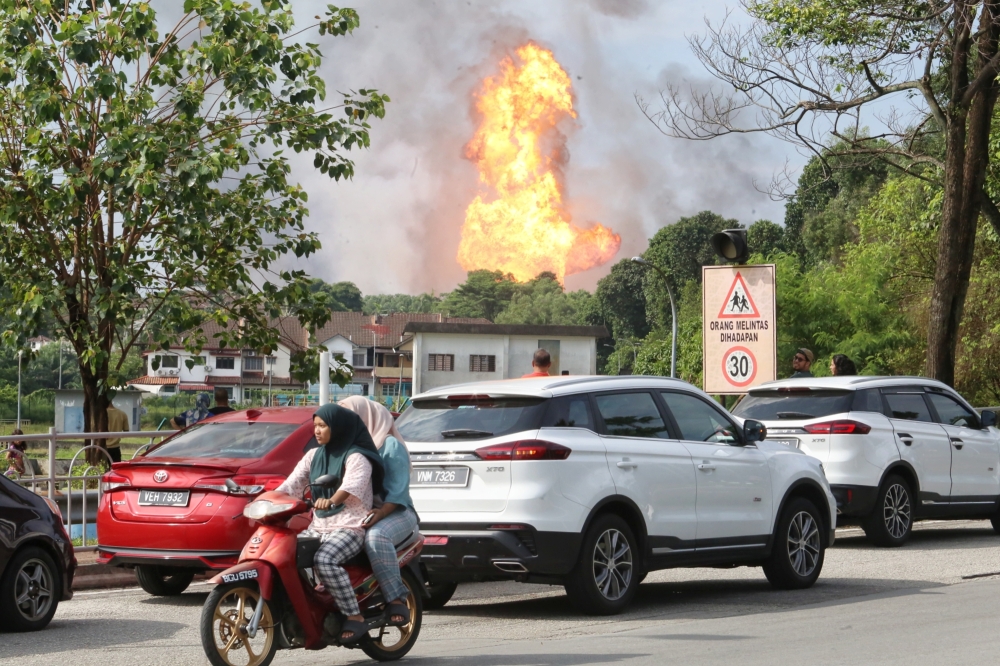
KUALA LUMPUR, April 1 — A massive gas pipeline fire broke out today in Putra Heights, Selangor, on the second day of Aidilfitri, causing widespread damage and prompting emergency...
Timeline of the Incident
On April 1, 2025, residents of Putra Heights, Puchong were jolted by the explosive roar and towering flames of a natural gas pipeline inferno. According to the Selangor Fire and Rescue Department, the fire started around 12:36 pm and rapidly escalated, severely damaging nearby structures and vehicles. The blaze emerged near Taman Putra Perdana — an area that, until the incident, was known primarily for being a peaceful residential enclave. Emergency response services, including over 40 personnel and multiple fire engines, were immediately dispatched to the scene from surrounding fire stations including Cyberjaya, Subang Jaya, and Puchong.Where Did It Happen?
The epicenter of the explosion was traced to a pipeline corridor near Jalan Belatuk 5, Putra Heights. This area sits on the border between Petaling District and Sepang and runs parallel to residential neighborhoods. The scene was described as apocalyptic by onlookers, with eyewitnesses reporting a mushroom cloud of flames that could be seen from kilometers away. Some locals even mistook the explosion for a terrorist attack or a massive industrial accident due to its ferocity.What Caused the Fire?
While investigations are still in their preliminary stages, early assessments by emergency responders and utility authorities suspect that the cause of the explosion may have been a result of third-party construction works interfering with the high-pressure gas pipeline. The affected gas line is managed by Gas Malaysia Energy and Services (GMES), which has since released a statement confirming these suspicions. Gas Malaysia Energy and Services Statement:- Damage was caused by a third-party contractor not affiliated with Gas Malaysia.
- No GMES personnel were involved in the incident.
- The company has shut off the affected pipeline segment and is working closely with emergency services.
Is There Any Political Dimension?
At this time, there is no evidence to suggest political involvement. This appears to be predominantly an infrastructural and safety oversight issue, rooted in improper construction practices and insufficient coordination between utility providers and contractors. As such, we are presenting the facts as they are currently known, while awaiting findings from the official investigation.Response from Authorities and Emergency Management
Shortly after the explosion, officers from the fire department, police, and personnel from Tenaga Nasional Berhad and GMES converged to manage the disaster. The following steps were immediately taken:- Evacuation: Residents in the surrounding 1km radius were evacuated as a precaution.
- Fire Containment: The flames were brought under control within three hours, avoiding further escalation and spread to residential homes.
- Roadblocks & Traffic Rerouting: Major intersections and access roads were cordoned off to facilitate emergency vehicles and ensure public safety.
Casualties and Material Loss
Miraculously, no fatalities have been reported as of this writing. However, the fire did lead to injuries among workers at the site and severe damage to public and private property:- At least 4 workers sustained injuries — 2 critically with burns and 2 with minor injuries.
- Several vehicles parked near the explosion site were destroyed.
- Structural damage was reported in buildings located up to 200 meters from the pipeline.
Impact on the Local Community
The explosion occurred during the second day of Aidilfitri, a time when families gather in celebration, compounding the emotional toll. Residents described the event as a horrifying interruption to what should have been a joyful and peaceful day. Some of the immediate effects on the community included:- Power outages: Nearby communities experienced temporary blackouts due to impacted power lines and disrupted electricity distribution.
- Disrupted travel: Public transport routes, including nearby LRT lines, had to be temporarily suspended.
- Psychological trauma: Witnesses reported panic and confusion, with children and the elderly particularly affected by stress and shock.
What Happens Next?
Authorities have launched a joint task force to investigate the full cause of the explosion and assess accountability. Key steps moving forward include:- Technical forensic investigations led by the Department of Occupational Safety and Health (DOSH).
- Risk assessment and pipeline integrity tests in surrounding areas.
- Legislative review of urban development and utility infrastructure policies to prevent recurrence.
Lessons from the Puchong Pipeline Inferno
While the Puchong gas inferno may have been an accident, it raises urgent questions about infrastructure safety, contractor accountability, and government oversight. Among the lessons yet again underlined by this disaster:- Need for stricter control over private development projects near critical infrastructure.
- Public awareness campaigns on emergency safety procedures for residents living near utility corridors.
- Stronger penalties and regulatory scrutiny on contractors working within high-risk zones.
Comments
Post a Comment